How do mentions differ across zero-click answer engines?



The Click is Dead, Long Live the Mention: How Zero-Click Engines Cite You
For two decades, the "blue link" was the currency of the web. You ranked, users clicked, and traffic flowed. Today, that economy is being replaced by the Zero-Click Answer Engine.
In this new ecosystem—dominated by Perplexity, Google AI Overviews (AIO), and ChatGPT Search—the goal is no longer just to rank #1. It is to be mentioned. But not all mentions are created equal. A citation in Perplexity is functionally different from a carousel card in Google or a footnote in ChatGPT.
Here is how mentions differ across the major zero-click engines and what that means for visibility.
1. The Landscape of Mentions
While all answer engines aim to satisfy user intent without requiring a click, their methods of attribution (citing sources) vary significantly in design and philosophy.
The "Citation Velocity" Factor
- Perplexity is built as a "citation-first" engine. It rarely makes a claim without attaching a footnote. For publishers, this is the highest-value mention because the user interface encourages verification.
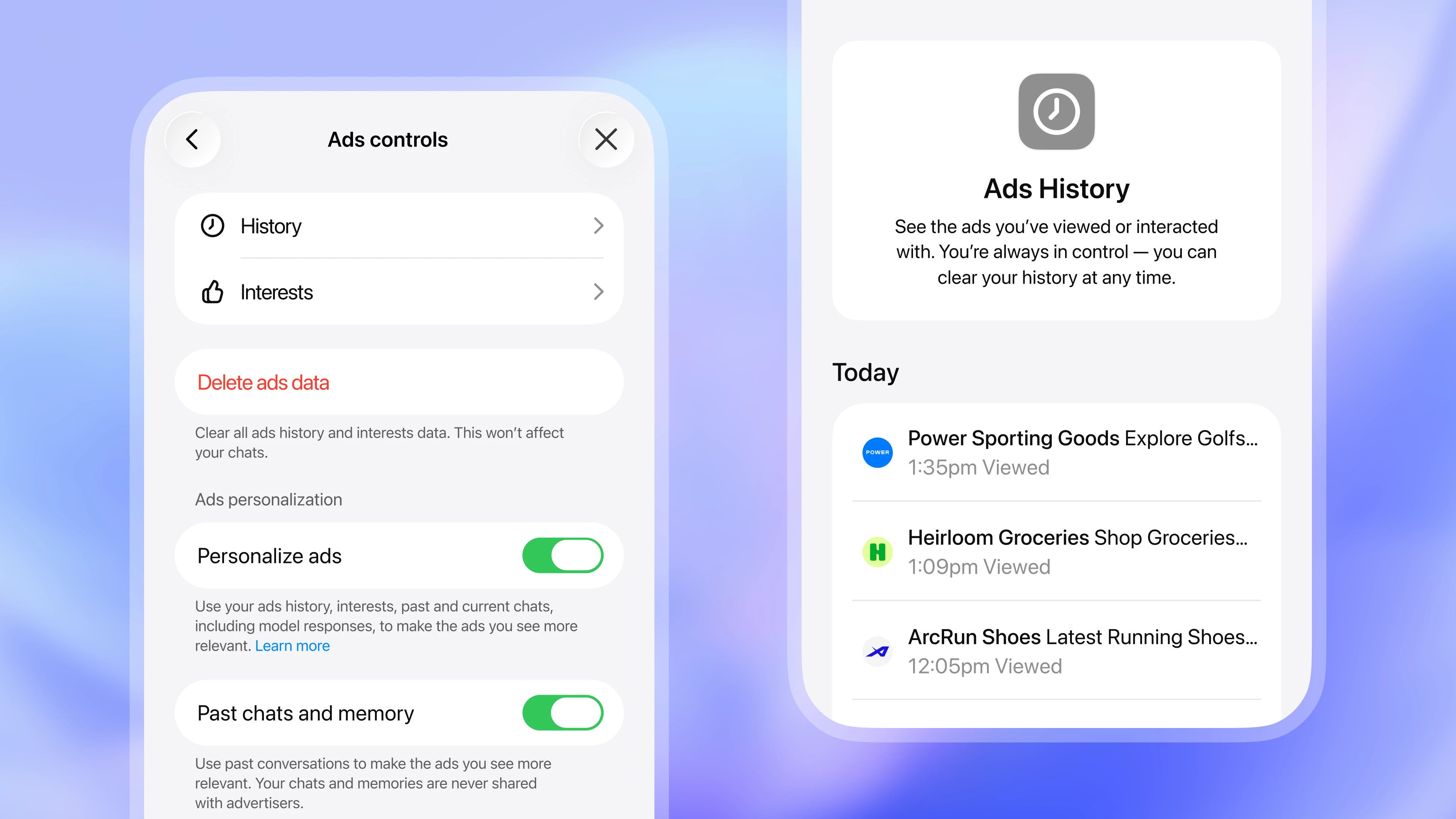
- Google AIO treats mentions as a trust signal. The links are there primarily to tell the user "this isn't a hallucination," rather than to drive traffic. However, the Source Carousel (on mobile especially) has shown higher click-through rates (CTR) for e-commerce queries than informational ones.
- ChatGPT treats mentions as a bibliography. It synthesizes a narrative answer and provides sources almost as an afterthought, often burying them in a dropdown or subtle icon.
2. Source Bias: Who Gets Mentioned Where?
One of the most critical findings in Generative Engine Optimization (GEO) is that different engines prefer different "flavors" of authority.
Perplexity: The "Reddit & Niche" Lover
Perplexity indexes the web in real-time and has a distinct bias toward User-Generated Content (UGC) and community discussions.
- Key Insight: In 2025 studies, Reddit appeared in nearly 46% of Perplexity's top citations.
- Why? It values "human" consensus and distinct viewpoints over generic SEO blogs. If your brand is discussed positively in niche forums, Perplexity is likely to mention you.
Google AIO: The "Establishment" Mirror
Google's AI Overviews are risk-averse. They rely heavily on the top 10 organic search results but often reshuffle them.
- Key Insight: There is high overlap (often >80%) between domains ranking in the top 10 and those cited in AIO.
- Why? Google uses its existing ranking algorithms to feed its RAG (Retrieval-Augmented Generation) model. If you have strong traditional SEO (backlinks, technical health), you are safer here.
ChatGPT Search: The "Wiki & News" Scholar
ChatGPT tends to favor "high-authority" and "fact-based" domains.
- Key Insight: It relies heavily on Wikipedia, major news outlets (Reuters, NYT), and established "Earned Media."
- Why? Its training data prioritizes neutral, encyclopedic tone. It is less likely to cite a random blog unless that blog is the primary source of breaking news.
3. The New Metric: "Share of Answer"
In a zero-click world, "Traffic" is a lagging metric. The leading metric is Share of Answer. This measures how often your brand or content is synthesized into the result.
Types of Mentions
- The Direct Citation: Your URL is linked as a footnote. (High value, potential traffic).
- The Brand Mention: The AI says "According to [Brand]..." but does not link. (High authority value, zero traffic).
- The Synthesis: The AI uses your unique data/stats but attributes them to a secondary source (e.g., a news site that covered your study). (Low value).
Strategic Implication
To win "Share of Answer," you must optimize for Information Gain.
- Old SEO: Write a 2,000-word guide on "What is X?" (Redundant content).
- GEO Strategy: Publish a unique statistic, a contrarian opinion, or a proprietary framework. AI models are trained to ignore redundancy and cite novelty.
4. Summary Table: How to Optimize for Each
Final Thought: The "Zero-Click" Paradox
While these engines reduce the volume of clicks, they often increase the quality of the visitor. A user who clicks a citation in Perplexity or Google AIO has already consumed the summary and decided they need a deep dive. They are pre-qualified.