What Are G2 Reviews, and How Do They Work?

Think of G2 as a trusted advisor for the B2B world. It is a platform where professionals share real feedback about business software across categories like CRM, ERP, HR, marketing, development, security, and analytics tools.
What is G2 and How Does It Work?
G2 operates as a complete software review platform designed to help businesses make smart technology decisions. While consumer sites like Yelp or TripAdvisor help individuals, G2.com is built specifically for business software buyer research. Buyers go to G2.com to read user reviews, view user-generated product ratings, and compare software alternatives side-by-side.
The G2 Grid® Methodology
G2’s review collection process begins when users submit detailed feedback through standard forms that capture both score-based ratings and written insights. The platform checks reviewer identity through business email validation and optional LinkedIn verification to ensure the person is real.
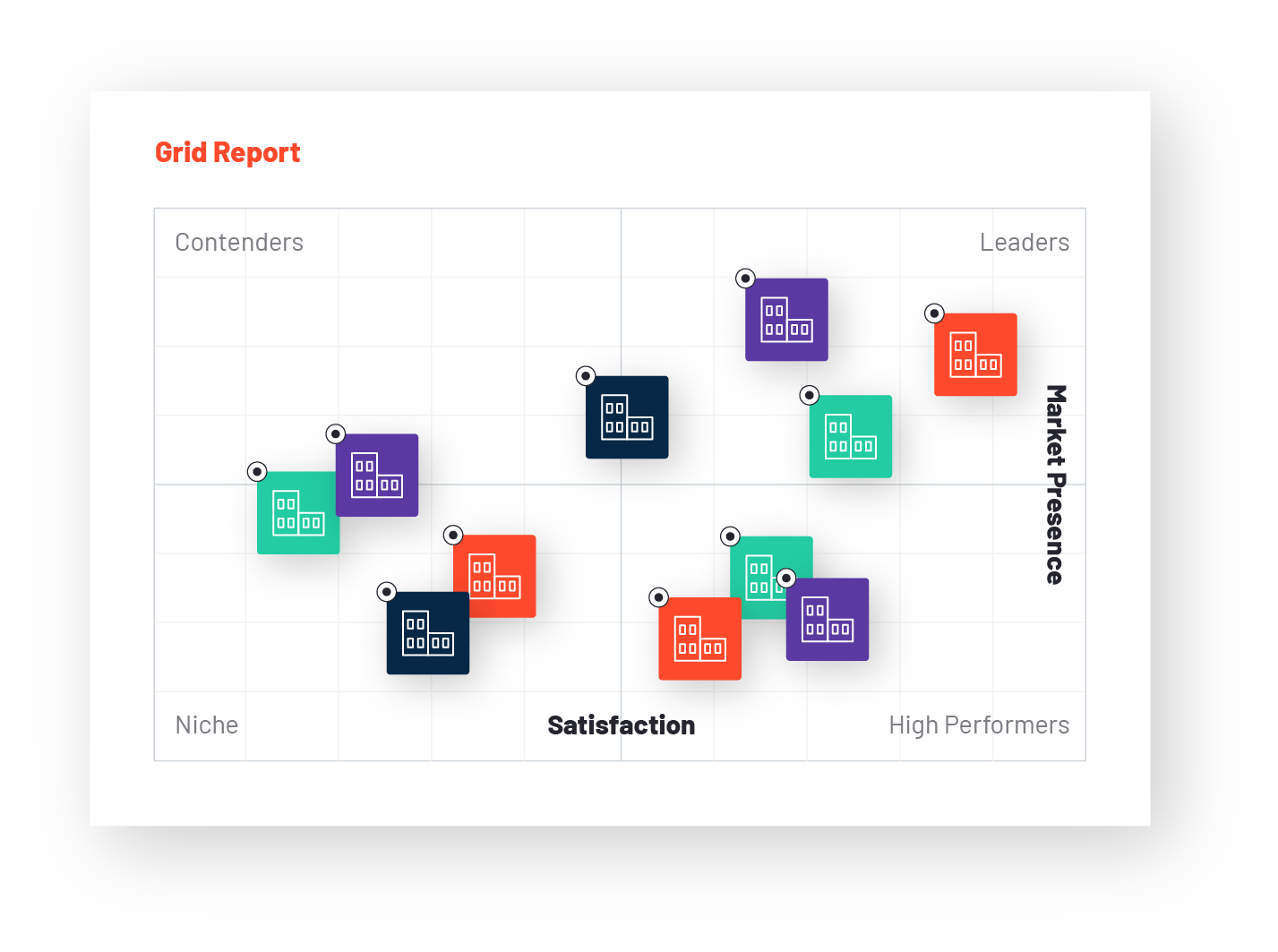
Reviews are organised using G2’s proprietary Grid® methodology. This system plots products on a matrix based on two core metrics:
- Customer Satisfaction: Based on user reviews.
- Market Presence: Based on market share, vendor size, and social impact.
This places software into one of four quadrants:
- Leaders: High satisfaction and high market presence.
- High Performers: High satisfaction but lower market presence.
- Contenders: High market presence but lower satisfaction scores.
- Niche: Lower satisfaction and low market presence.
Software Categories Covered by G2
G2 does not stick to one niche. The platform hosts reviews for thousands of tools, from enterprise-grade CRMs to lightweight productivity apps. If a company builds a SaaS product and people use it, there is a good chance it has a G2 profile.
G2’s primary high-level categories and key sub-categories are as follows:
1. Artificial Intelligence (AI) Software
- Generative AI: AI Chatbots, AI Image/Video Generators, Large Language Models (LLMs).
- Machine Learning: Data Science Platforms, Deep Learning, MLOps.
- AI Agents: Customer Support Agents, AI Sales Assistants, Autonomous Agents.
- Computer Vision: Image Recognition, OCR Software.
- Natural Language Processing (NLP): Text-to-Speech, Speech Recognition.
2. Sales Tools
- CRM Software: Salesforce, HubSpot, etc.
- Sales Acceleration: Email Tracking, Sales Engagement, Sales Coaching.
- Quote-to-Cash: CPQ (Configure, Price, Quote), Contract Management, E-Signature.
- E-Commerce Platforms: Storefronts, Payment Gateways.
3. Marketing Software
- Advertising: Social Media Advertising, Search Advertising, Programmatic Ad Buying.
- Content Marketing: CMS (Content Management Systems), Video Hosting, SEO Tools.
- Marketing Automation: Email Marketing, Account-Based Marketing (ABM), Lead Generation.
- Social Media: Social Media Management, Influencer Marketing.
4. HR & Office Software
- Core HR: Payroll, Benefits Administration, HR Management Systems (HRMS).
- Talent Management: Applicant Tracking Systems (ATS), Recruitment Marketing, Employee Engagement.
- Workforce Management: Time & Attendance, Employee Scheduling.
- Office Productivity: Video Conferencing, Project Management, Team Collaboration.
5. IT & Software Development
- IT Management: Network Monitoring, IT Asset Management, Service Desk.
- Cybersecurity: Antivirus, Firewall, Identity & Access Management (IAM), Cloud Security.
- Software Development: IDEs, Version Control, Bug Tracking, Low-Code/No-Code Platforms.
- Hosting & Infrastructure: Cloud Infrastructure (IaaS), Web Hosting, Database Management.
6. Finance & ERP
- Accounting: Bookkeeping, Expense Management, Tax Compliance.
- ERP Systems: Enterprise Resource Planning suites for various industries.
- Billing & Invoicing: Subscription Management, Payment Processing.
7. Design & Media
- Graphic Design: Vector Graphics, Photo Editing.
- Video/Audio: Video Editing, Audio Editing, 3D Modeling.
- CAD & PLM: Computer-Aided Design, Product Lifecycle Management.
8. Customer Support
- Help Desk: Ticketing Systems, Knowledge Bases.
- Contact Center: Call Center Infrastructure, IVR.
- Customer Experience: Survey Software, Customer Feedback Management.
9. Vertical Industry Software
Software specialised for specific sectors, including:
- Healthcare: EHR/EMR, Telemedicine, Medical Billing.
- Construction: Construction Management, BIM.
- Education: Learning Management Systems (LMS), Student Information Systems.
- Real Estate: Property Management, Real Estate CRM.
- Legal: Legal Practice Management, E-Discovery.
10. Services
G2 also categorises service providers, separate from software:
- Marketing Services: SEO Agencies, PR Firms, Digital Marketing Agencies.
- Consulting Services: IT Consulting, Implementation Services (e.g., Salesforce Consulting).
- Development Services: App Development, Web Design.
You can find a list to all the specific categories and sub-categories covered by G2 here.
G2 gives each of these software categories its own landing page. This works well for discovery because buyers can jump into a product cluster and compare features, integrations, and reviews without switching websites.
How Do I Write and Submit a Review on G2?
Writing a G2 review follows a structured process designed to gather useful feedback while proving the reviewer is real.
Step-by-Step Review Submission Process
You can write a review by visiting the G2 review submission page or by selecting "Leave a Review" on any G2 Profile.
- Login and Validation: To submit a review, users must first prove their identity. This step is vital for the platform's trust. G2 accepts reviews from users who have a LinkedIn account or a valid business email address. This step helps stop employees or competitors from submitting biased reviews.
- The Questionnaire: Users answer specific questions about their experience. These questions help confirm the validity of the review and ensure it reflects the correct use case.
- Grading: Users provide scores for specific features and write open-ended feedback on what they like and dislike.
What Information You Need to Provide
G2 encourages reviewers to be specific. You will be asked to provide detailed insights into the product's features, functionality, and overall performance.
Regarding privacy, you can choose to have your name appear publicly or submit anonymously. In the form, simply select 'I agree' or 'I decline' when answering the prompt: "Allow my review to show my name and face in the G2 community."
Screenshot Verification
G2 asks software reviewers for screenshots to verify that they are current users of the tool. Reviews that include validated screenshots receive a special "Verified Current User" badge, which adds weight to the feedback.
Review Processing Timeline
Reviews must be checked by the G2 team for quality control before they are published. This manual review process can take up to 3 business days. If your review is part of a reward campaign (incentivised), this can take an additional 1-2 business days.
How Reliable and Authentic Are G2 Reviews?
G2 has built multiple layers of verification to keep review integrity high and fight fake submissions.
Multi-Step Verification Process
Every review on G2 goes through a moderation process to ensure it comes from a real user with valid professional experience. G2 ensures authenticity using several factors:
- Manual Moderation: A member of G2’s moderation team reviews submissions.
- Login Requirement: Reviewers must sign in with a business email or LinkedIn account.
- Conflict of Interest Checks: Each review is checked by a human. Reviewers who have a business relationship with a vendor (or their competitor) that could create bias (such as a reseller) can share insight, but their reviews do not count toward the Grid scoring.
Review Safety Toolkit
To keep reviews honest, G2 uses a "Review Safety Toolkit." This includes strict approval guidelines, user authentication measures, and a queue-based moderation system. This toolkit also uses review content analysis, anti-spam tools, and AI content detection scanning to stop fake or inauthentic reviews.
Transparency in Incentivised Reviews
If a vendor joins a G2 campaign, the platform labels the review with a disclosure tag stating the reviewer received an incentive. G2 tries to scale reviews while keeping them accurate. Transparency about incentives helps users understand potential biases without removing helpful content.
Important Note: G2's payment system pays reviewers for their time and expertise, not for positive opinions. The platform pays the same amount regardless of whether the feedback is positive or negative.
Treatment of Negative Reviews
G2 will never suppress, mute, or hide negative reviews. All reviews, written in all tones and of all quality levels, are treated equally.
G2 also stands out for how it shows negative feedback. Most review platforms bury it or make it hard to find. On G2, even the harshest one-star reviews sit right next to five-star ones. This transparency builds real-world trust for buyers.
Review Freshness
To stop review decay (where data becomes old and irrelevant), G2 sends automated emails to reviewers every six months, asking for updated opinions on the product. This ensures the G2 Grid reflects the current state of the software, not how it worked three years ago.
Key Components of G2 Reviews
G2 reviews include several standard elements that provide deep software insights:
- Star Ratings: Overall satisfaction scores from verified users.
- Pros and Cons: Structured feedback highlighting strengths and weaknesses.
- Use Case Details: Context about the reviewer's industry, company size, and role.
- Feature Ratings: Specific scores for individual product capabilities (e.g., "Ease of Setup" or "Customer Support").
- Implementation Feedback: Insights on how hard the software was to install and the quality of support.
- Comparison Data: Side-by-side analysis with competing products.
Product reviews include details about each reviewer and the review context (e.g., company size, user role, industry, region, date of review, and how the review was collected). G2 houses over 140,000 product pages, making these details crucial for filtering.
Conclusion
G2 Reviews serves as a vital resource for B2B software buyers seeking authentic peer feedback before making technology investments. The platform's multi-layered verification process, transparent handling of incentivised reviews, and commitment to displaying both positive and negative feedback establish it as a trusted marketplace. Whether you are evaluating software options or looking to build your company's review presence, understanding how G2 works helps you make better-informed decisions.